Work
Selected case studies and experiments.


Making KYC Resumable Without Starting Over
Autosave started as a way to keep KYC progress from disappearing when a session was interrupted. Once KTP and Selfie could be saved independently, the harder question was whether users still needed a fixed order. I tested the risk of a flexible flow and used the evidence to align the team before shipping it to production.

Designing a KYB Fast Track for 15,000 Merchants
An AstraPay partnership brought a roughly 15K SRC merchant cohort into KYB while the same Operations team, about three reviewers, continued handling BAU. The CMO asked Ops and Product to smooth the onboarding path. Instead of rebuilding KYB, I proposed a bounded fast-track model that reused referral-code infrastructure, moved clear cases to one-page single-pass review, and routed exceptions to deeper review. We validated the path on a whitelisted SRC sample, trained reviewers, then rolled it out over roughly 3–5 months.
Turning QRIS Into a Top Up Channel
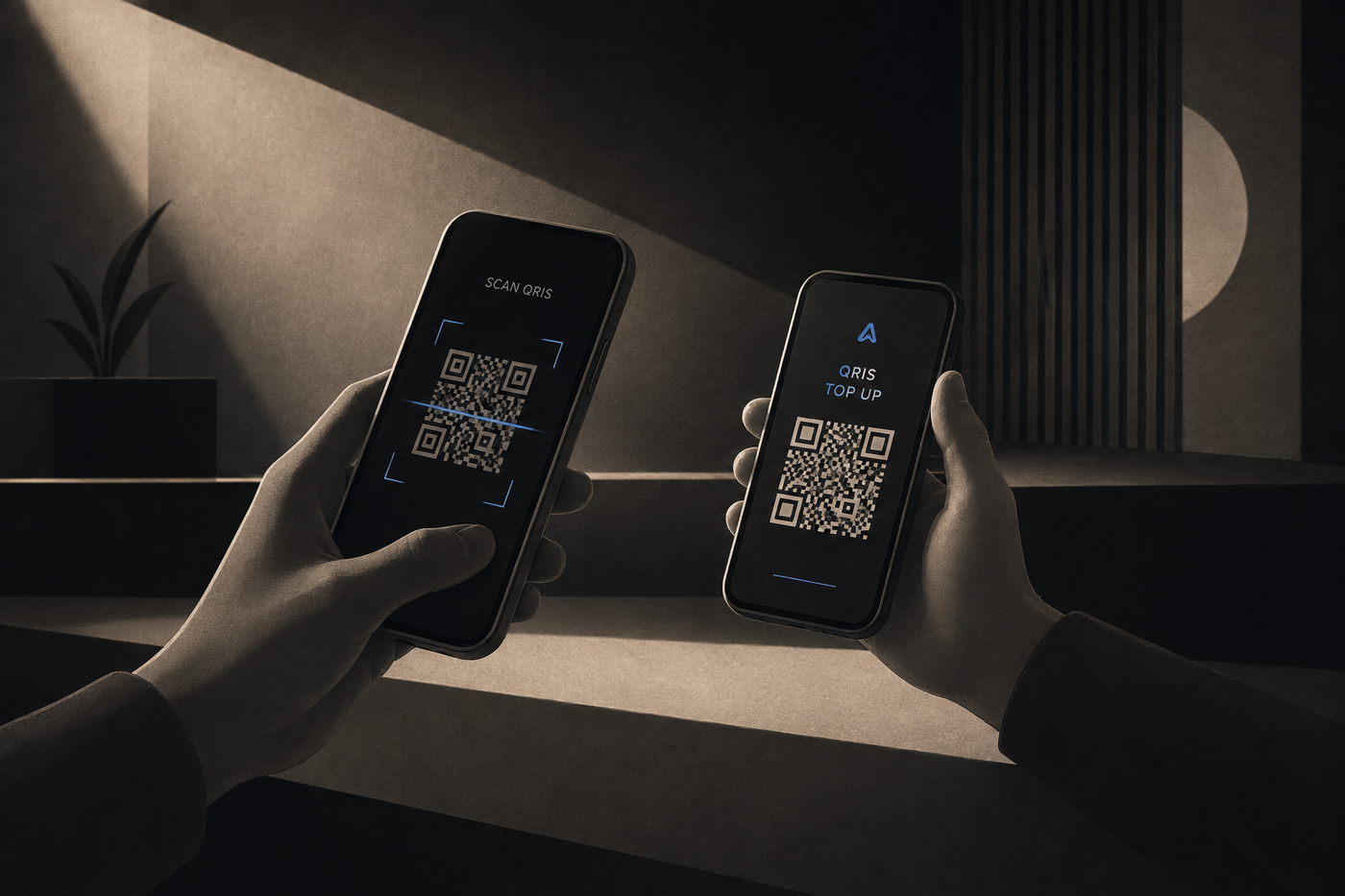
QRIS Top Up started from a business request to make top up feel more immediate without always opening a banking app or exchanging account details. After benchmarking competitors and more interoperable QRIS patterns, I used the QR behavior already familiar across Indonesia as a practical bridge for several use cases, from friends funding each other to event admins distributing balance. With engineering, I designed the real-time post-payment states and kept each closed-amount payment tied to one bill so status and reconciliation stayed coherent. By 2026, QRIS Top Up represented 9.3% of AstraPay cash-in and ranked among the top two channels.

AI Pre-check to Catch KYB Mismatches Before Submission
KYB approval was falling while submission volume was also weakening. I designed a Llama-based pre-check in Vertex AI that checks business information and photos before submission without making the model a hard gate. After launch, the three targeted mismatch remarks fell 22–90% and approval improved by around 7%, while submission volume remained relatively stable.
Replacing the KYC OCR Engine Without Rebuilding the Experience
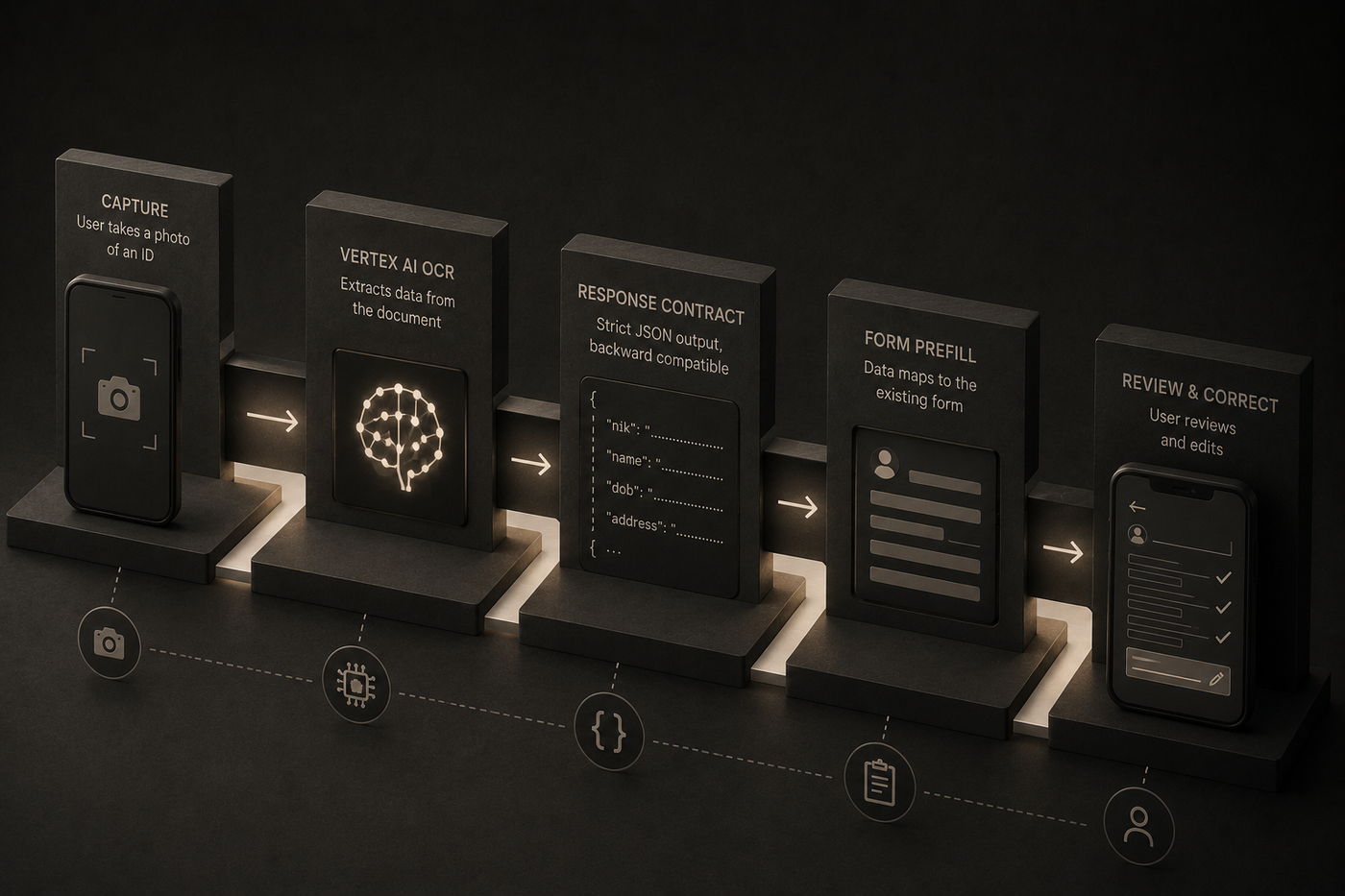
When free usage from the previous OCR vendor ended, KYC still needed identity-data extraction without forcing users into a new flow. I worked with engineering to make Vertex AI return a strict, backward-compatible response that users could still review and correct. The implementation enabled SIM support and lowered user edit rate by around 10%.
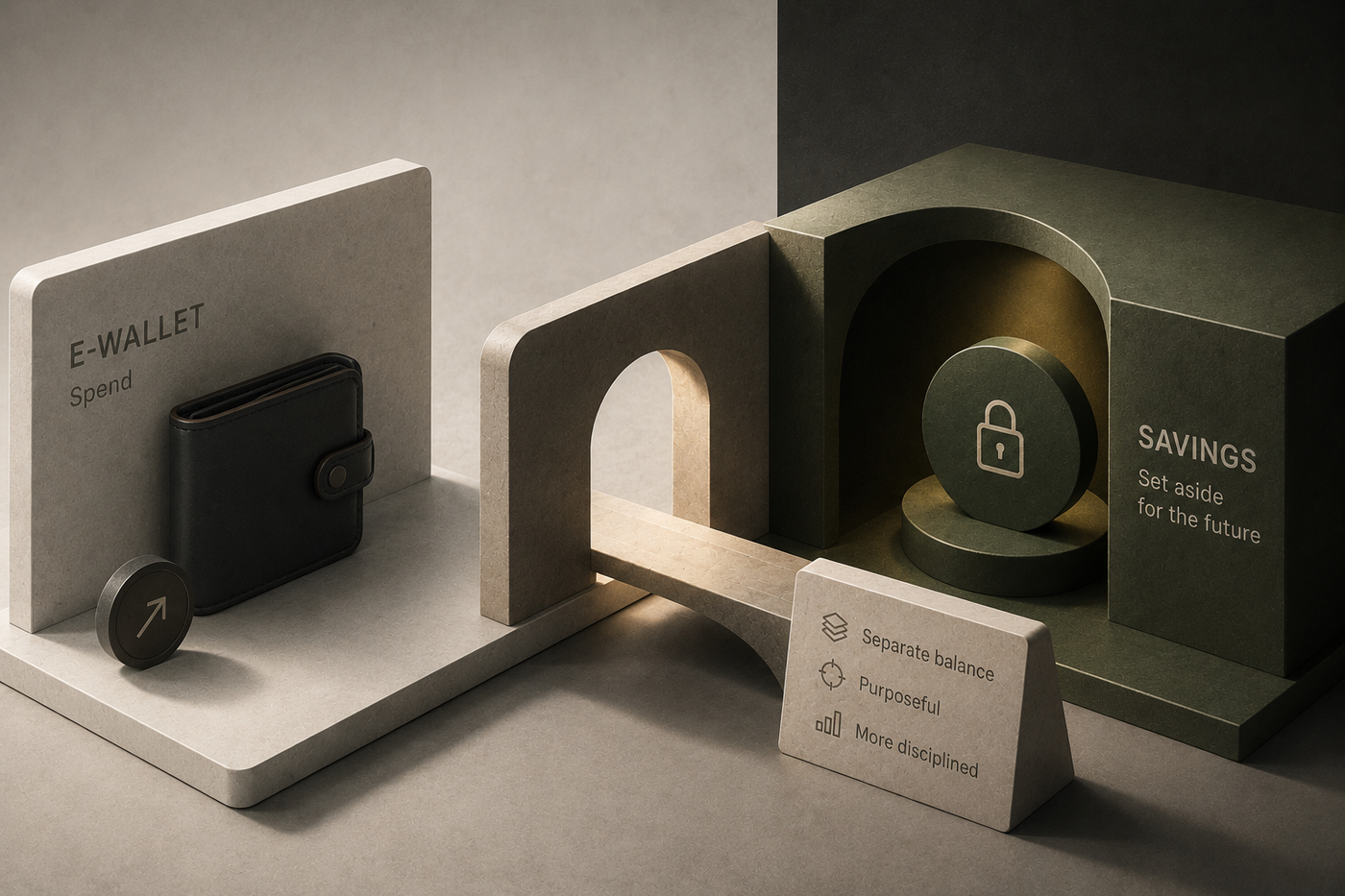
Making Savings Feel Distinct Inside an E-Wallet
Research showed that e-wallet balance already carried a strong mental model as money to spend. I used that finding to shape the positioning, product hierarchy, and brand direction for linked savings so it stayed easy to access from AstraPay without reading like the same wallet balance with extra benefits.

Testing What Makes Users Start KYC
I co-created three KYC framings with UX Writing, then ran a production test on the new build and followed the result through submission. C produced the strongest entry response against A, while final CVR across A, B, and C was not significantly different. With the KPI focused on submission volume, I took the recommendation for C through senior review and final CMO confirmation.